Control Barrier
What is an Industrial Safety Fence?
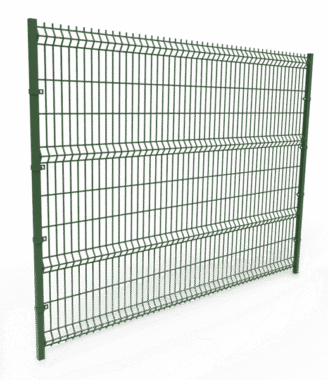
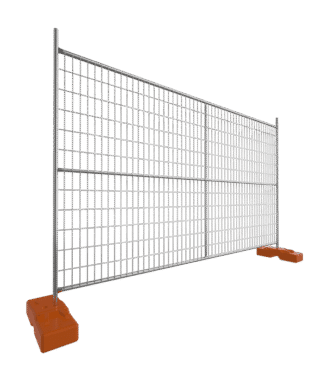
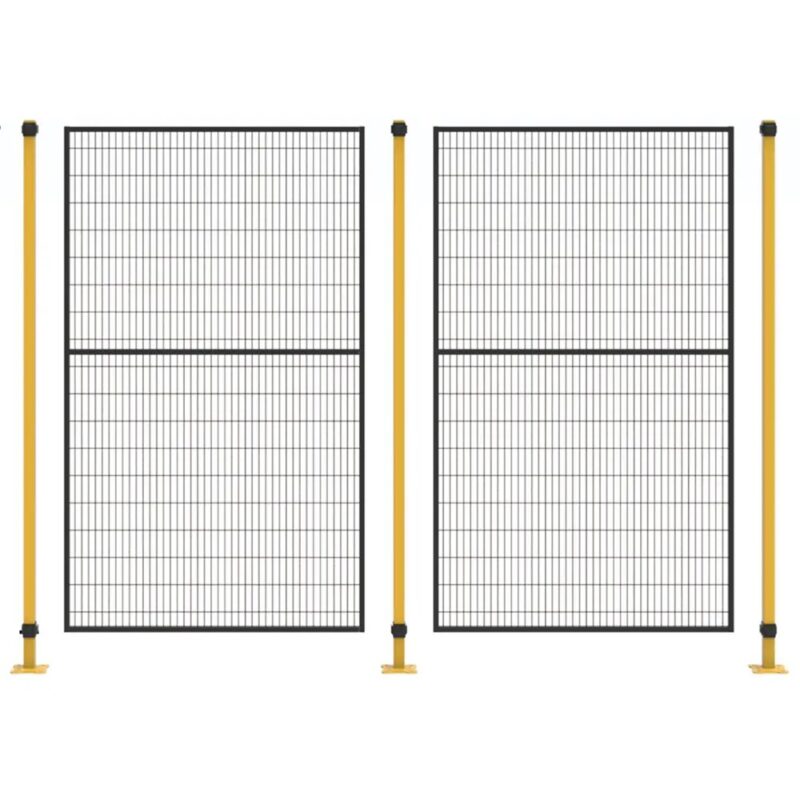
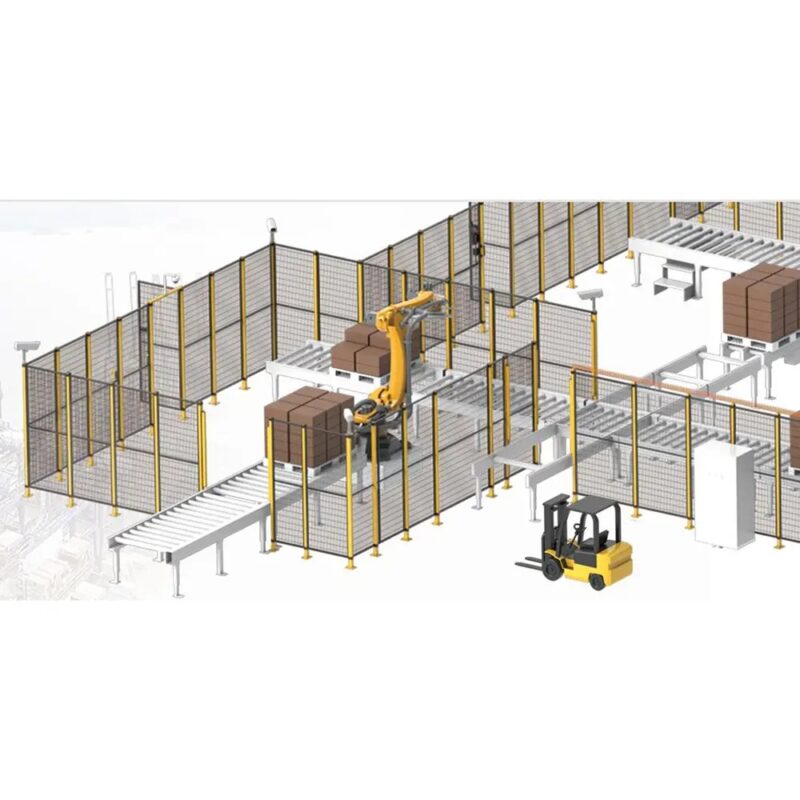
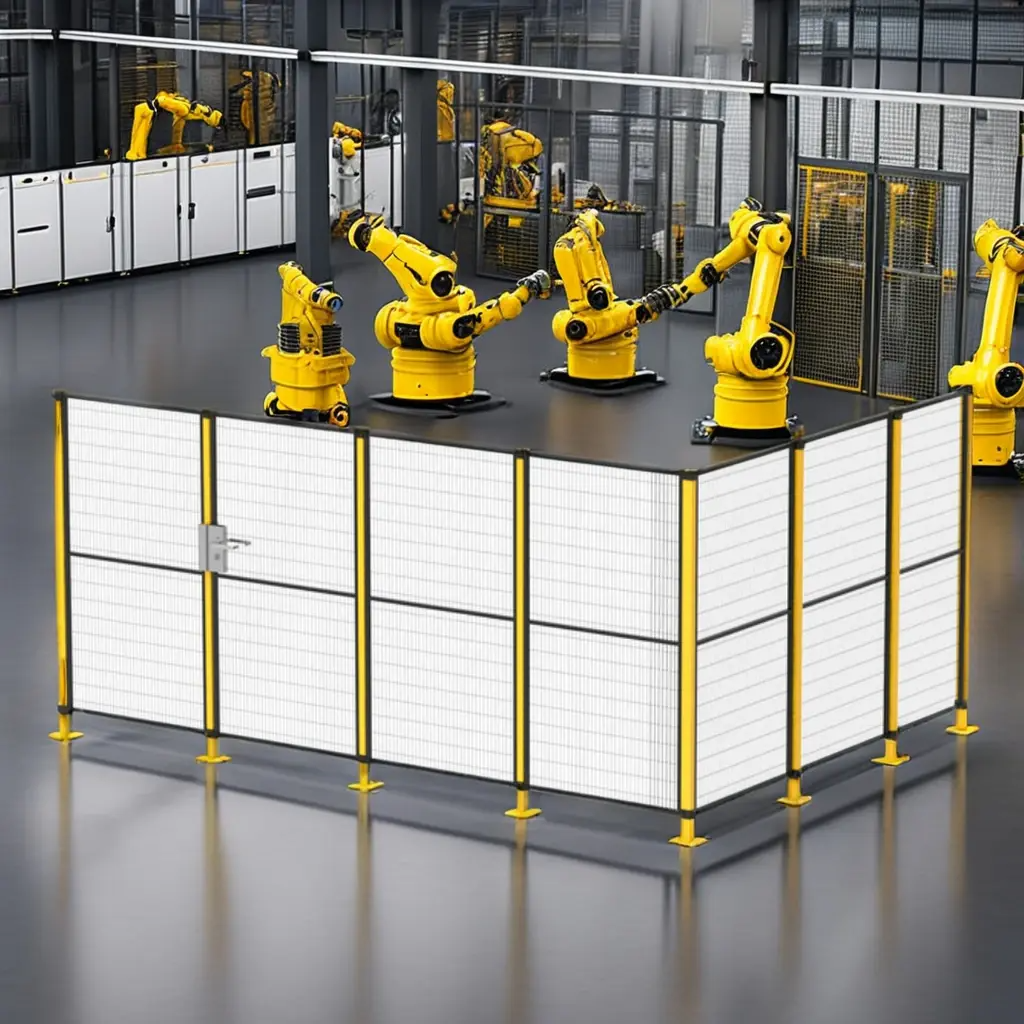
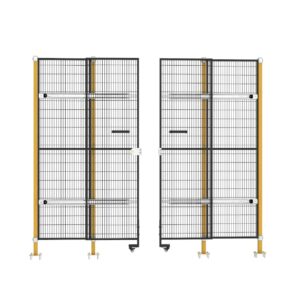
An industrial safety fence, also known as a machine guard fence, is a protective barrier made from Q235 low-carbon cold-drawn steel wire, with a wire diameter range of 2.8–6.0mm. This product is mainly used for internal separation in workshops and warehouses, market stall division, and machinery protection in factory areas. It serves both space partitioning and safety protection functions.
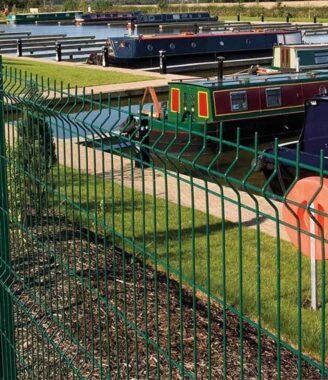
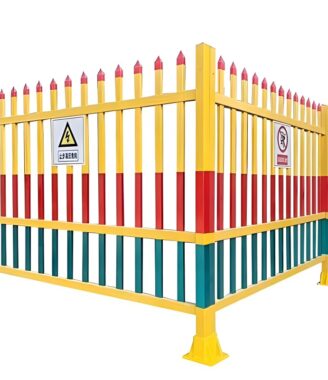
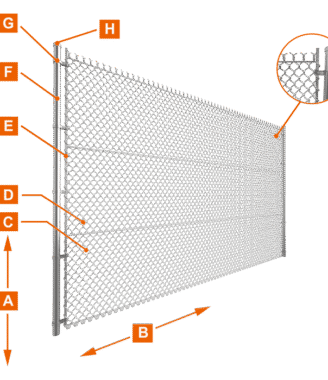
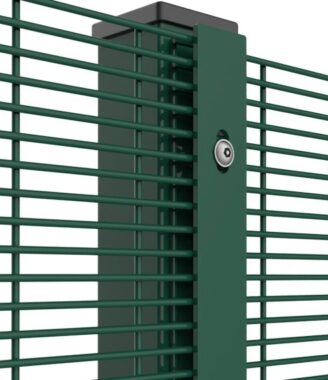
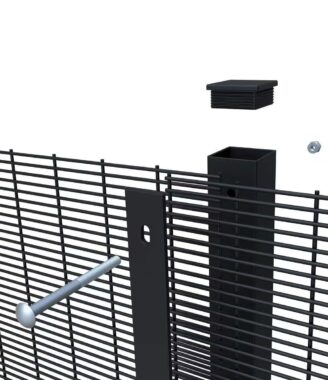
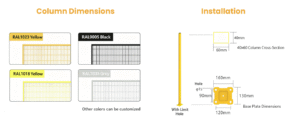
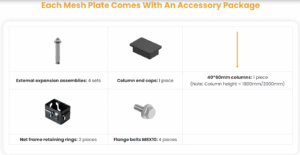
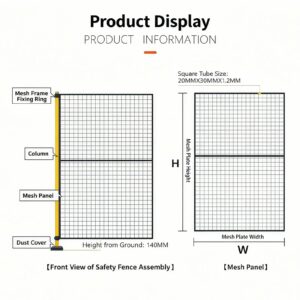
The structure features 50×50mm square tube posts. Mesh openings include 50×50mm diamond mesh, 50×50mm square mesh, and 7×15mm rectangular mesh. Anti-corrosion treatment is achieved through overall dip-coating or spray-coating, with a heat-applied plastic coating that provides excellent weather resistance and impact strength. The product uses anti-rust technology to extend service life. Standard accessories include rain caps and anti-theft bolts. Various colors such as red, green, and blue are available for customization. High light transmittance and small footprint effectively improve space utilization.
Specifications of Industrial Safety Fence
Parameter Details Material Q235 low-carbon cold-drawn steel wire Wire diameter 2.8mm – 6.0mm; dip-coated wire 4.5mm – 5.5mm Mesh opening 50×50mm (diamond), 50×50mm (square), or 7×15mm rectangular Anti-corrosion Overall dip-coating Max size 2.3m × 3m Common sizes 1800mm × 3000mm or 1800mm × 2000mm Post 50×50mm square tube, dip-coated Frame 20×30mm Accessories Rain cap, connecting clip, anti-theft bolt Connection method Clip connection。
Selection Guide for Industrial Safety Fence
The price of industrial safety fences varies depending on material, process, and specifications. Common material types include hot-dip galvanized, spray-coated carbon steel, and stainless steel. Customized designs or special anti-corrosion treatments (such as zinc-aluminum-magnesium coating) will affect the final cost. When selecting a supplier, consider the stability of the production process, material compliance, and project experience. Choose suppliers whose products meet relevant standards and offer quality assurance. You can check material certificates, galvanized layer thickness, weld strength, coating adhesion, and request third-party test reports and past project case studies as references. For coastal, high-humidity, high-salt-spray, or chemical plant areas, 304 stainless steel or heavy-duty anti-corrosion coating products are recommended. For indoor workshop use, avoid high-temperature and highly corrosive environments. If necessary, choose thickened galvanized layers or stainless steel materials.
Installation Requirements for Industrial Safety Fence
Before installation, on-site survey of ground flatness and load-bearing capacity is required to confirm the foundation’s bearing capacity. In soft soil areas, the foundation should be reinforced or fixed with concrete piers to prevent post loosening or tilting. For high-traffic areas inside workshops, it is recommended to add warning strips or reflective markings to improve nighttime visibility.
Maintenance of Industrial Safety Fence
Regularly check the tightness of connectors and inspect for coating damage or peeling. Perform timely maintenance to prevent safety hazards and extend service life.
Frequently Asked Questions about Industrial Safety Fence
Below are common questions and answers regarding industrial safety fences, providing practical references for selection, installation, and maintenance.
Can industrial safety fences be used outdoors for a long time?
Yes, but the appropriate surface treatment must be selected based on the environment. Ordinary hot-dip galvanizing is suitable for general industrial areas. For high-humidity or high-salt-spray areas, it is recommended to upgrade to zinc-aluminum coating or stainless steel.
How to judge whether the quality of the fence meets the standard?
Check the galvanized layer thickness (≥60g/m² or ≥60μm), weld strength, coating uniformity and adhesion, and request third-party test reports. On-site simple tests such as tapping to listen to the sound and bending tests can also help.
What is the difference between workshop fences and outdoor fences?
Workshop fences focus on impact resistance, easy cleaning, and modular design, while outdoor fences emphasize weather resistance and anti-corrosion performance.
What is the custom lead time?
For standard specifications, delivery is 10–15 days. For non-standard custom orders including design confirmation, it takes about 15–20 days. It is recommended to plan the project schedule in advance.