FRP handrail
FRP handrail
What is an FRP handrail?
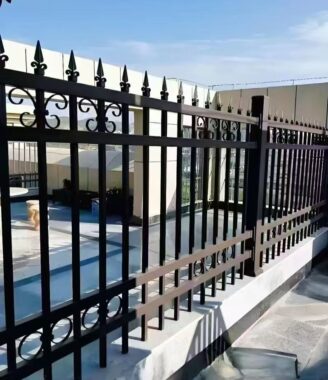
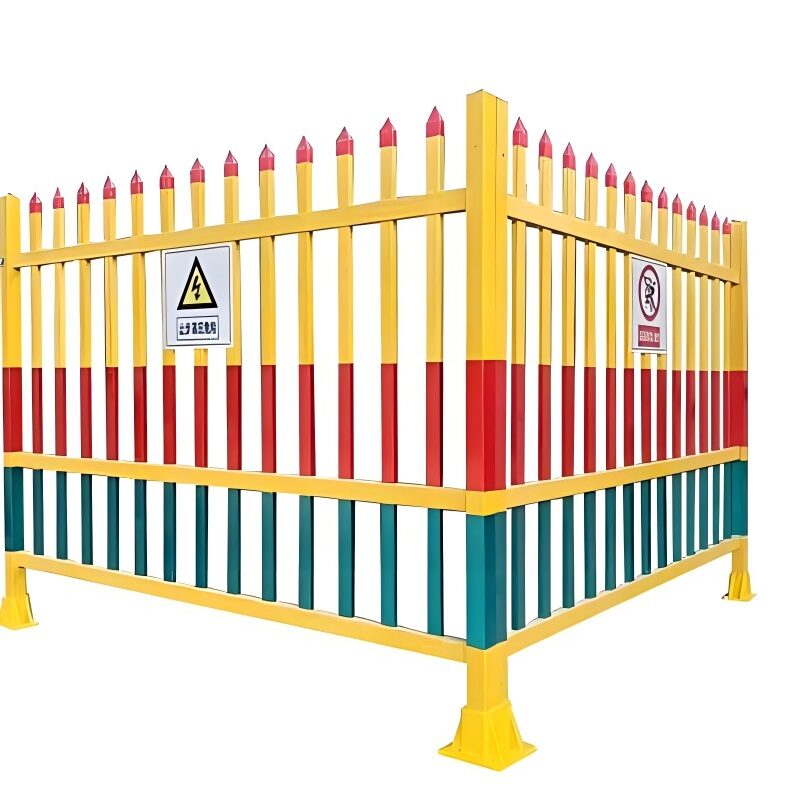
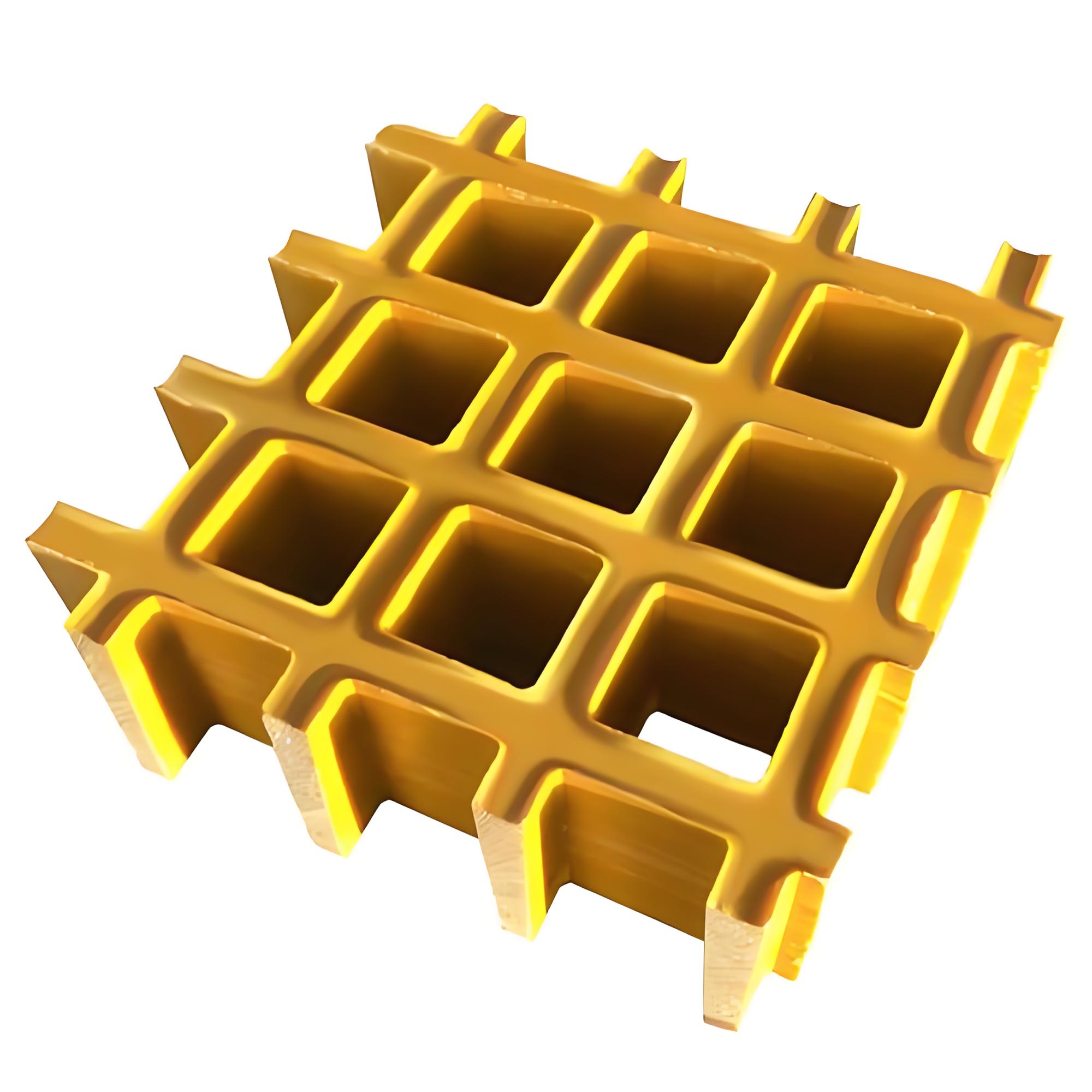
FRP (Fiberglass Reinforced Plastic) handrail, also known as glass fiber reinforced plastic fence, is a protective structure made from unsaturated resin, fillers, and a glass fiber skeleton. It is widely used in municipal engineering (roads, parks), transportation (highways, bridges), industrial sites, residential communities, and tourist attractions.
Key Features of FRP handrail
FRP handrail offer exceptional corrosion resistance, aging resistance, lightweight high strength, and electrical insulation. They perform stably across temperatures from -50°C to 70°C. With UV stabilizers, the surface resists fading, cracking, and brittleness. Under normal conditions, a high-quality FRP fence can last 20–30 years or more.
Specifications of FRP handrail
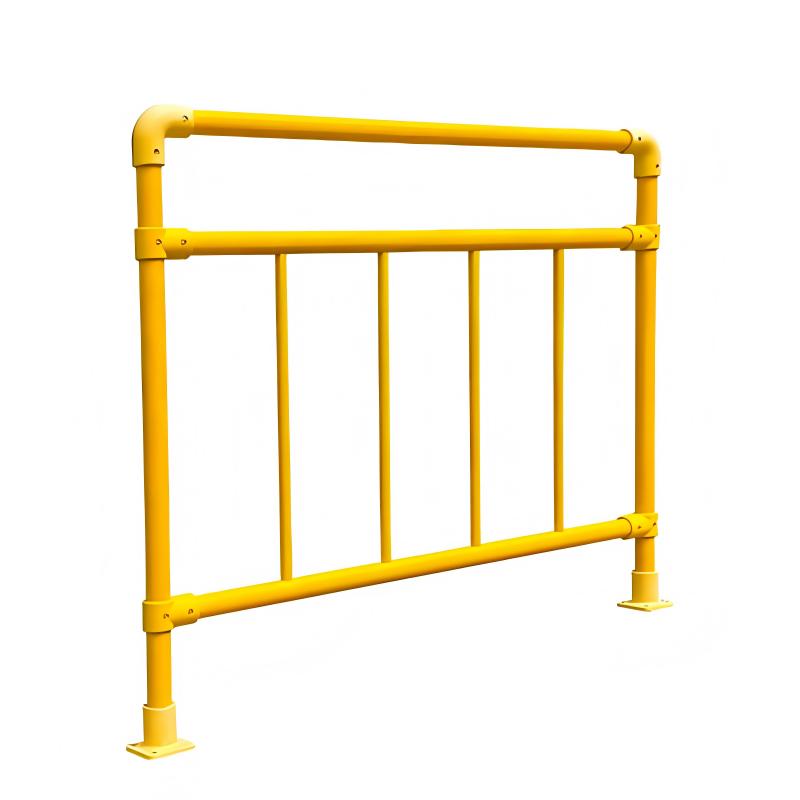
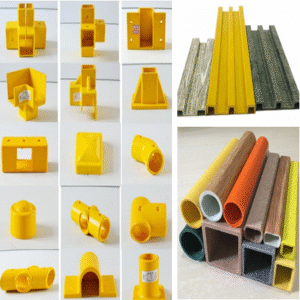
FRP handrail are manufactured using pultrusion or compression molding, ensuring dimensional accuracy and a smooth finish. They consist of pultruded FRP tubes (round or square) and molded connectors (bases, elbows, tees). Common series include: Φ36 Plum Blossom Tube Series – Φ36 plum tube + molded elbows, tees, crosses, and bases Φ50 Round Tube Series – Φ50 round tube + molded elbows, tees, crosses, and bases 50×50 Square Tube Series – assembled with internal plugs as connectors 50×50 Square Tube Handrail Series – 50×50 square tube + Φ32 round tube + handrail materials + molded elbows
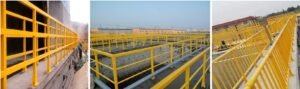
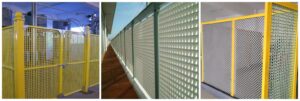
FRP has a density only 1/4 that of steel, yet its strength rivals or exceeds steel. It is highly resistant to acids, alkalis, salts, and other chemicals, making it ideal for harsh environments like coastal areas and chemical plants. It also offers good dimensional stability, insulation, and non-thermal conductivity. The surface is smooth and available in customizable colors.
Applications of FRP handrail
Municipal engineering – roadsides, parks, plazas
Transportation – highways, railways, bridges
Industrial sites – factory aisles, hazardous area boundaries
Residential communities – villa fences, apartment handrails
Tourist attractions – lakesides, hiking trails, viewing platforms
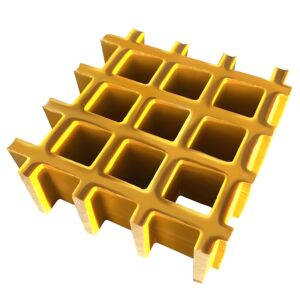
Installation of FRP handrail
Installation is simple due to its light weight – basic tools like a drill, hammer, and screws are sufficient. Steps include securing the base, inserting the post, connecting horizontal rails to posts, and adding reflectors with self-tapping screws. Lightweight design reduces bridge dead load and allows longer maintenance intervals. For minor scratches, use a special polishing compound. Cracks should be cleaned and filled with FRP repair putty. Severe impact damage requires professional evaluation. For color fading, apply weather-resistant coating and clean regularly. Loose connectors need periodic tightening with stainless steel fasteners. Minor deformation can be corrected with tools; severe cases require professional repair. Regular inspection, cleaning, and recoating are key to extending the service life of your FRP fence. Choosing quality materials and anti-corrosion treatment for outdoor use is highly recommended.